Toileting data sheets are essential tools for tracking and monitoring an individual’s toileting habits and routines. These sheets provide valuable information for caregivers, healthcare professionals, and individuals themselves to better understand patterns, identify potential issues, and make informed decisions regarding toileting needs.
By using a toileting data sheet printable, individuals can easily record important details such as frequency of bathroom visits, types of assistance needed, any accidents or incidents, and any relevant notes or observations. This data can then be used to create personalized toileting plans, track progress, and make necessary adjustments to improve overall toileting experiences.
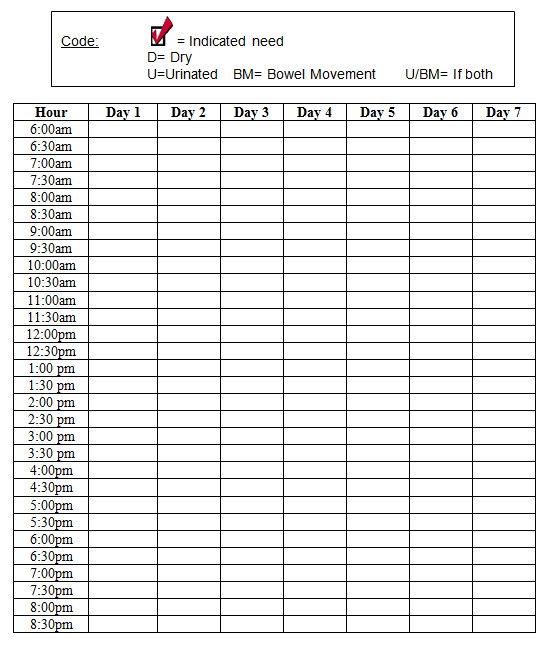 Toileting Data Sheet Printable
Save and Print Toileting Data Sheet Printable
Toileting Data Sheet Printable
One of the key benefits of using a toileting data sheet printable is the convenience and ease of use. These printable sheets can be easily accessed, printed, and filled out as needed, making it simple to track and document toileting information consistently. Additionally, having a physical copy of the data sheet allows for easy reference and sharing with others involved in the individual’s care.
Another advantage of using a toileting data sheet printable is the ability to customize and tailor the sheet to meet specific needs and preferences. Whether it’s adding specific prompts or categories, adjusting the layout for clarity, or incorporating visual cues for better understanding, individuals can personalize the data sheet to best suit their unique toileting requirements.
Furthermore, toileting data sheets can serve as valuable communication tools between individuals, caregivers, and healthcare providers. By sharing the information recorded on the data sheet, everyone involved can stay informed, collaborate on solutions, and work together to address any toileting challenges or concerns effectively.
In conclusion, utilizing a toileting data sheet printable is a practical and beneficial way to track, monitor, and manage toileting activities for individuals with specific needs. By documenting important details, creating personalized plans, and fostering open communication, these data sheets can help improve toileting experiences, promote independence, and enhance overall quality of life.